(1).png?w=320&h=320)
Seed Starting
Direct Sowing: A Simple Guide for Beginners
Learn how to sow seeds directly in the garden with simple steps, beginner-friendly tips, and easy seed choices for a healthy growing season.
.png?w=1448&h=1086)
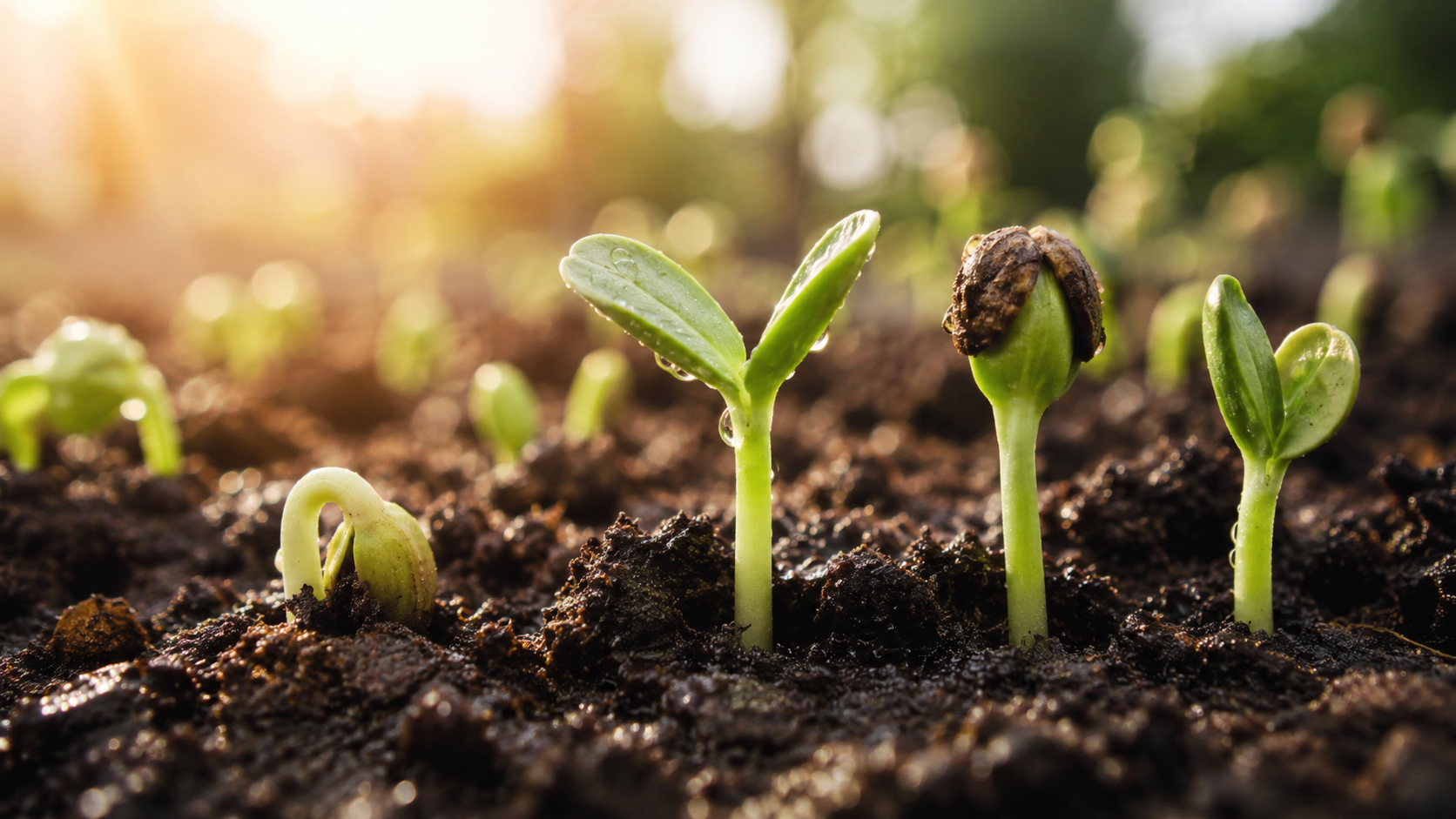
Direct sowing means planting seeds straight into the soil where they will grow. Instead of starting seeds indoors and transplanting them later, you place the seeds directly in a garden bed, raised bed, container, or outdoor growing space.
This method is simple, natural, and beginner-friendly. Many vegetables, herbs, and flowers grow very well when they are direct sown.
If you are new to gardening, direct sowing can feel exciting because you are planting seeds right into their final home. You prepare the soil, place the seeds, water gently, and wait for the first sprouts to appear.
In this guide, you’ll learn what direct sowing is, which seeds are best for direct sowing, how to prepare your soil, how to plant seeds step by step, and how to care for young seedlings with confidence.
What Is Direct Sowing?
Direct sowing is the process of planting seeds directly into outdoor soil or containers instead of starting them indoors first.
Some plants do best when they are planted where they will grow. Their roots do not like being disturbed, or they grow so quickly that transplanting is not necessary.
Direct sowing is often used for fast-growing vegetables, root crops, leafy greens, herbs, wildflowers, and many easy garden flowers.
Why Choose Direct Sowing?
Direct sowing is a great choice for beginners because it keeps the planting process simple.
- You do not need seed trays or indoor grow lights.
- You can plant seeds directly in the garden, raised bed, or container.
- Many seeds grow quickly when planted outdoors at the right time.
- Plants do not need to adjust from indoor to outdoor conditions.
- It works well for many vegetables, herbs, flowers, and pollinator-friendly plants.
Direct sowing also helps you feel connected to the season. You plant with the weather, the soil, and the natural rhythm of your garden.
Best Seeds for Direct Sowing
.png?w=1448&h=1086)
Some seeds are especially good for direct sowing because they germinate quickly or prefer not to be transplanted.
Good seeds to direct sow include:
- Carrots
- Radishes
- Lettuce
- Spinach
- Beans
- Peas
- Cucumbers
- Zucchini
- Squash
- Cilantro
- Dill
- Sunflowers
- Zinnias
- Cosmos
- Marigolds
- Wildflowers
Root vegetables like carrots and radishes are usually best direct sown because their roots grow better when they are not disturbed.
Fast-growing flowers like zinnias, cosmos, sunflowers, and marigolds are also wonderful choices for beginner gardeners.
Plantjoyfarm tip: If you are just starting out, choose easy direct sowing seeds such as radishes, lettuce, beans, sunflowers, zinnias, or marigolds. These seeds can help you see results faster and build confidence.
When Should You Direct Sow Seeds?
The best time to direct sow depends on the seed type, your local weather, and your growing season.
Some seeds like cool weather. Others need warm soil to sprout well.
Cool-Season Seeds
Cool-season seeds can often be planted in early spring or fall. These include lettuce, spinach, peas, radishes, carrots, cilantro, and some wildflowers.
Warm-Season Seeds
Warm-season seeds should be planted after the danger of frost has passed and the soil has warmed. These include beans, cucumbers, squash, zucchini, sunflowers, zinnias, cosmos, and marigolds.
How to Prepare Soil for Direct Sowing
.png?w=1448&h=1086)
Loose, clean soil helps seeds sprout and young roots grow easily.
Good soil preparation gives your seeds a better start.
Before direct sowing, choose a planting spot with the right amount of sunlight for the seeds you want to grow. Many vegetables and flowers need full sun, while some leafy greens and herbs can handle partial shade.
Remove weeds, rocks, and large clumps from the planting area. Then loosen the top layer of soil with your hands, a small rake, or a garden tool.
If the soil is very dry, water it gently before planting. If the soil is very heavy or compacted, mix in compost or a light growing mix to improve texture.
How to Direct Sow Seeds Step by Step
.png?w=1448&h=1086)
Direct sowing is simple: prepare the soil, plant the seeds, water gently, and wait for sprouts.
Direct sowing is easy when you follow a few simple steps.
Step 1: Choose the Right Spot
Choose a garden bed, raised bed, container, or outdoor space that matches your seed’s light needs. Most vegetables and flowers need plenty of sunlight.
Step 2: Prepare the Soil
Remove weeds and loosen the soil. Smooth the surface so seeds can be planted evenly.
Step 3: Check the Planting Depth
Some seeds need to be planted deeper than others. A simple rule is to plant seeds about two times as deep as their size. Very tiny seeds may only need a light cover of soil.
Step 4: Sow the Seeds
Place seeds into shallow rows, small holes, or scattered areas depending on the plant type. Try not to sow too thickly, because crowded seedlings will need thinning later.
Step 5: Cover Lightly with Soil
Cover the seeds with soil according to their planting depth. Gently press the soil so the seeds make good contact with the ground.
Step 6: Water Gently
Use a gentle spray or watering can so the seeds do not wash away. Keep the soil moist while seeds are germinating.
Step 7: Watch for Sprouts
Some seeds sprout quickly, while others take longer. Keep checking the soil and continue gentle watering as needed.
Step 8: Thin Seedlings if Needed
If too many seedlings grow close together, remove the weaker ones so the strongest plants have enough space, light, and nutrients.
How to Water Direct Sown Seeds
Water is very important for direct sowing. Seeds need steady moisture to germinate.
After planting, water gently so the soil becomes evenly moist. Do not use a strong stream of water, because it may move the seeds or uncover them.
During germination, check the soil often. The surface should not dry out completely. At the same time, avoid keeping the soil muddy or flooded.
Common Direct Sowing Mistakes
Direct sowing is simple, but a few common mistakes can make germination harder.
Planting Too Early
Warm-season seeds may not sprout well in cold soil. Wait until the soil is warm enough for the seeds you are planting.
Planting Too Deep
Small seeds may not have enough energy to push through too much soil. Follow the recommended planting depth.
Letting Soil Dry Out
Seeds need moisture to germinate. If the soil dries out completely, germination may be poor.
Watering Too Hard
Strong water can wash seeds away. Use a gentle spray or watering can.
Not Thinning Seedlings
Crowded seedlings compete for light, water, and nutrients. Thin them when needed so the strongest plants can grow well.
Forgetting About Pests
Birds, insects, and small animals may disturb seeds or young seedlings. Check your planting area often and protect seedlings if needed.
Simple Tips for Direct Sowing Success
- Start with easy seeds like radishes, lettuce, beans, sunflowers, or zinnias.
- Prepare loose, weed-free soil before planting.
- Check the planting depth before sowing.
- Keep the soil gently moist during germination.
- Label your planting area so you remember what you planted.
- Thin seedlings when they are crowded.
- Protect young seedlings from pests when needed.
- Be patient with seeds that take longer to sprout.
Direct sowing does not need to feel complicated. Start with a few easy seeds, care for them gently, and enjoy watching life come up from the soil.
Can You Direct Sow Seeds in Containers?
Yes. Direct sowing works well in containers, especially for herbs, leafy greens, flowers, and compact vegetables.
Choose a container with drainage holes, fill it with quality growing mix, and plant seeds according to the recommended depth.
Containers can dry out faster than garden beds, so check moisture often. A balcony, patio, porch, or sunny doorstep can become a simple growing space.
How Long Do Direct Sown Seeds Take to Sprout?
Germination time depends on the seed variety, soil temperature, moisture, and weather.
Some seeds, such as radishes and many leafy greens, can sprout quickly. Others, such as carrots, parsley, or some flowers, may take longer.
Do not give up too soon. Keep the soil moist and give your seeds time.
Frequently Asked Questions
Is direct sowing good for beginners?
Yes. Direct sowing is one of the easiest ways for beginners to start a garden because you can plant seeds directly where they will grow.
What seeds are best for direct sowing?
Radishes, carrots, lettuce, spinach, beans, peas, cucumbers, squash, cilantro, dill, sunflowers, zinnias, cosmos, marigolds, and wildflowers are good choices.
Do I need to soak seeds before direct sowing?
Some larger seeds may benefit from soaking, but many seeds do not need it. Always follow the specific instructions for the seed variety.
Should I water before or after direct sowing?
If the soil is very dry, water lightly before planting. After sowing, water gently to help the seeds settle into the soil.
Can I direct sow flower seeds?
Yes. Many flowers grow well from direct sowing, including sunflowers, zinnias, cosmos, marigolds, and wildflowers.
Why did my direct sown seeds not sprout?
Common reasons include cold soil, dry soil, planting too deep, old seeds, pests, or heavy rain washing seeds away.
Start Direct Sowing with Confidence
Direct sowing is simple, natural, and full of possibility.
You prepare the soil, place the seeds, water gently, and wait for the first signs of green. It is one of the most satisfying ways to begin a garden.
You do not need to get everything perfect. Start with easy seeds, pay attention to moisture and timing, and learn as your garden grows.
.png?w=1448&h=1086) Every garden begins with one small seed placed in the soil.
Every garden begins with one small seed placed in the soil.Ready to Grow from Seed?
Explore Plantjoyfarm’s beginner-friendly vegetable seeds, herb seeds, flower seeds, wildflower seeds, and direct sowing seeds for your home garden.
Shop Seeds at Plantjoyfarm