(1).png?w=320&h=320)
Seed Starting
Seed Germination: A Simple Beginner’s Guide
Learn how seeds germinate, what they need to sprout, and how to improve germination success with simple beginner-friendly tips.
.png?w=1536&h=1024)
Germination is the moment when a seed begins to grow. It is the first visible step in the life of a plant.
For beginners, waiting for seeds to sprout can feel exciting and a little uncertain. You may wonder if you planted them correctly, watered enough, or chose the right spot.
The truth is simple: seeds want to grow when their basic needs are met. With fresh seeds, steady moisture, the right temperature, and a little patience, you can improve your germination success and grow with confidence.
In this guide, you’ll learn what germination means, what seeds need to sprout, common reasons seeds do not germinate, and simple tips to help more seeds grow successfully.
If you are ready to start growing, you can explore beginner-friendly seeds at Plantjoyfarm, including vegetable seeds, flower seeds, herb seeds, microgreens seeds, and easy seeds for home gardens.
What Is Seed Germination?
Seed germination is the process of a seed waking up and beginning to grow into a new plant.
Inside every viable seed is a tiny plant embryo. When the seed receives the right conditions, it absorbs water, softens, and begins to grow. The first root usually appears first, followed by the first shoot and leaves.
This is why germination feels so rewarding. One day you see only soil, and then suddenly a tiny green sprout appears.
What Do Seeds Need to Germinate?
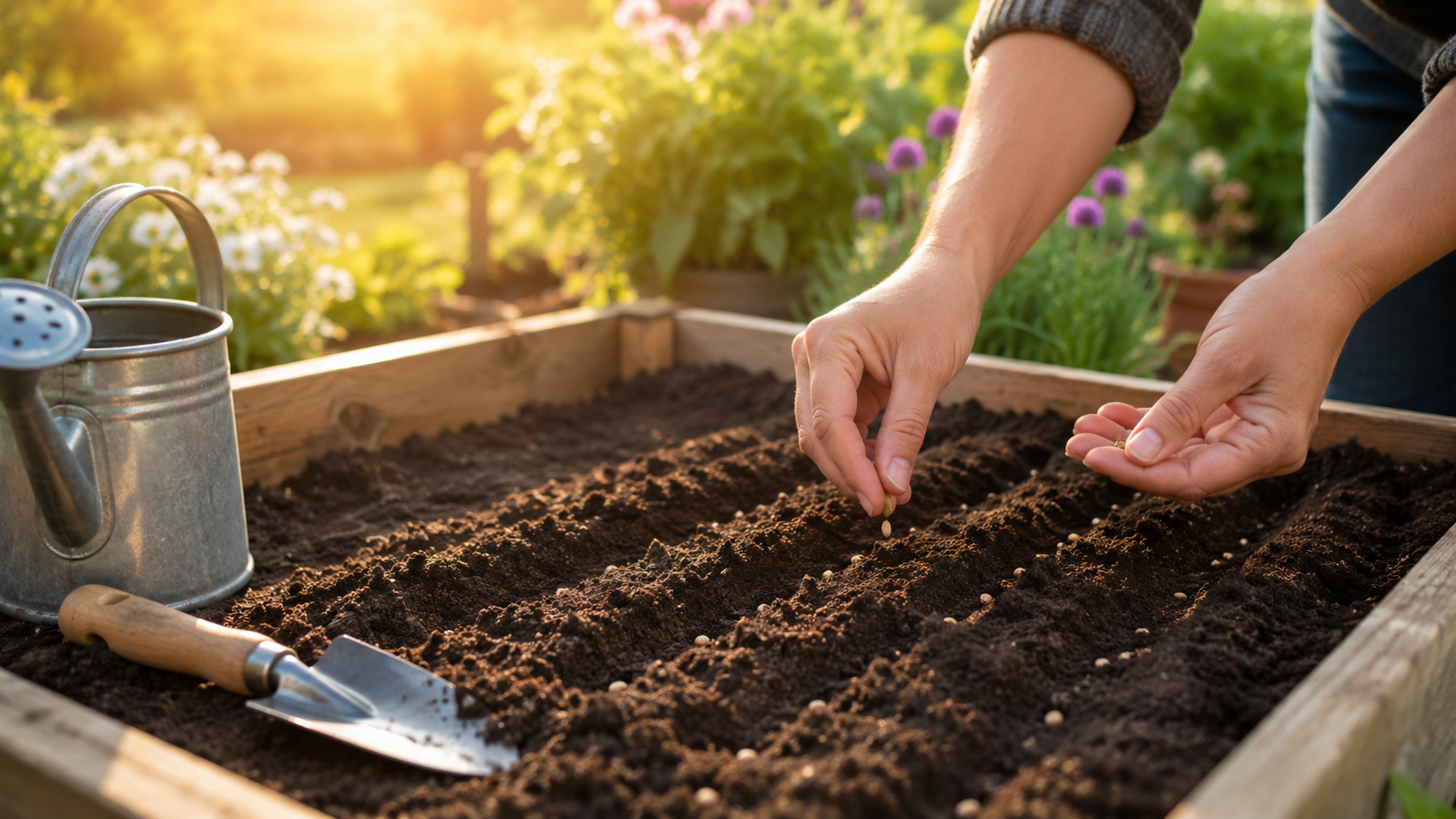
.png?w=1536&h=1024) Different seeds may grow at different speeds, but most need the same basic conditions.
Different seeds may grow at different speeds, but most need the same basic conditions.Most seeds need four basic things to germinate:
- Moisture to wake the seed up.
- Warmth to support active growth.
- Oxygen so the seed can breathe.
- Light or darkness, depending on the seed type.
Some seeds germinate quickly. Others take more time. This does not always mean something is wrong. Each seed variety has its own natural rhythm.
If you are new to growing from seed, start with easy and reliable choices like microgreens seeds, herb seeds, lettuce, radishes, basil, zinnias, or marigolds.
How Long Does Germination Take?
Germination time depends on the seed variety, temperature, moisture, and growing conditions.
Some seeds may sprout in just a few days. Others may take one to three weeks or longer.
Fast-germinating seeds often include microgreens, radishes, lettuce, basil, beans, and many easy flowers. Slower seeds may include peppers, parsley, some perennials, and certain specialty plants.
How to Germinate Seeds Step by Step
You can germinate many seeds indoors, outdoors, in containers, or directly in garden soil. The basic process is simple.
Step 1: Start with Fresh Seeds
Fresh, high-quality seeds usually give better germination results. Older seeds may still sprout, but they can take longer or germinate less evenly.
You can browse fresh seeds for home growing at Plantjoyfarm’s seed collection.
Step 2: Use the Right Growing Medium
Use a light seed-starting mix, quality potting mix, or prepared garden soil depending on how you are planting.
The growing medium should hold moisture but still allow air to reach the seed.
Step 3: Plant at the Right Depth
Planting depth matters. A simple rule is to plant seeds about two times as deep as their size. Very tiny seeds may only need to be pressed onto the surface or lightly covered.
Always check the seed packet or product description when possible.
Step 4: Keep Moisture Steady
Seeds need steady moisture to germinate. The soil should feel moist, but not soggy.
If the soil dries out completely, germination may stop. If the soil is too wet, seeds may rot.
Step 5: Provide the Right Temperature
Many seeds germinate best in a warm, stable environment. If conditions are too cold, germination may be slow or uneven.
Indoors, a warm room or seedling heat mat can help. Outdoors, wait until the soil is warm enough for the seed variety.
Step 6: Give Light When Seedlings Appear
Once seedlings sprout, they usually need bright light right away. Without enough light, seedlings may become tall, thin, and weak.
Move them to a bright window, grow light, or suitable outdoor spot depending on your planting method.
How to Water Seeds for Better Germination
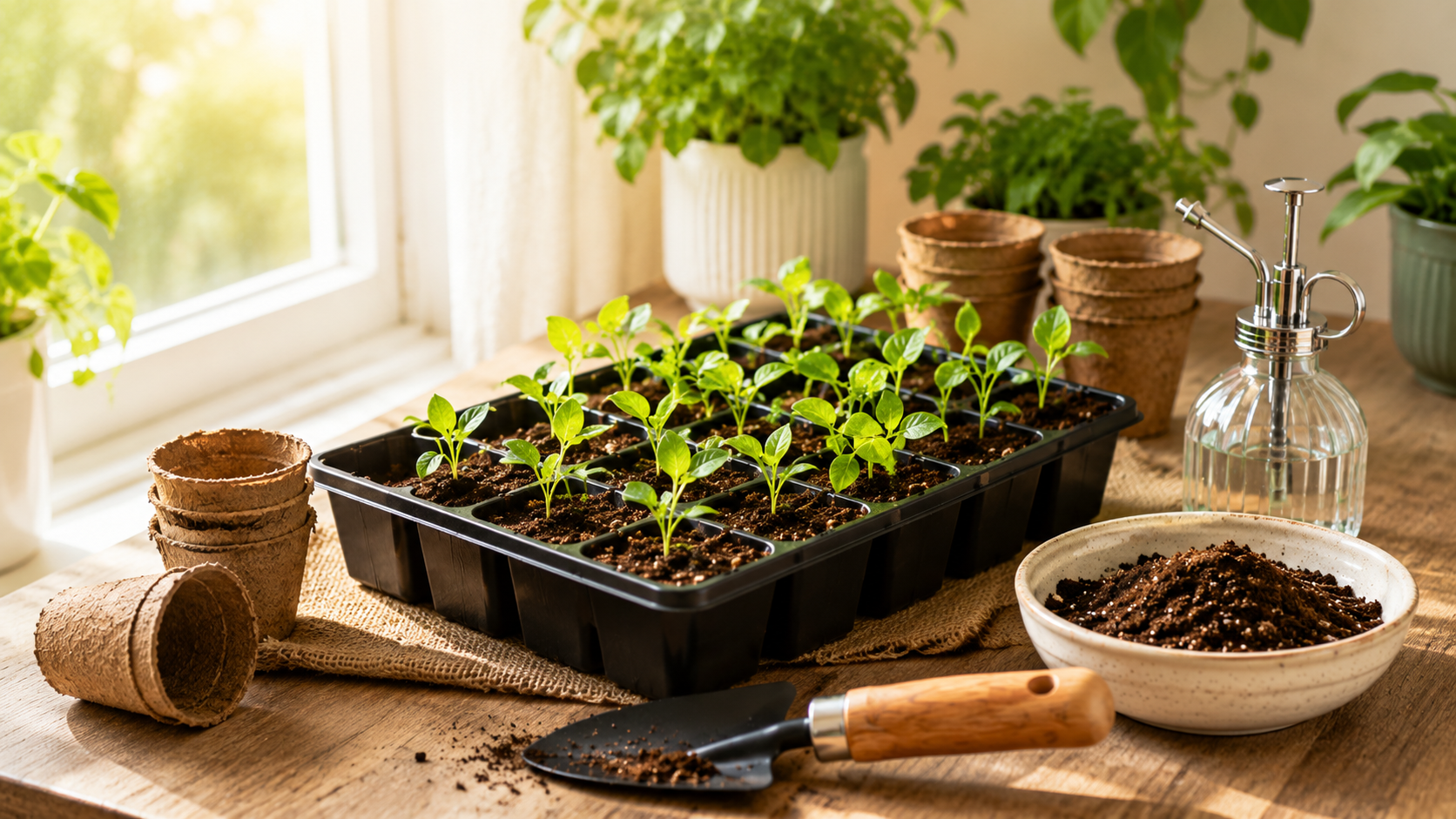
.png?w=1536&h=1024) Gentle, steady moisture is one of the most important parts of germination.
Gentle, steady moisture is one of the most important parts of germination.Watering is one of the most important parts of seed germination.
Seeds need moisture to wake up, but too much water can cause problems. The goal is to keep the soil evenly moist, not flooded.
Use a spray bottle, gentle watering can, or bottom-watering method for indoor seed trays. For outdoor direct sowing, use a soft spray so seeds do not wash away.
Why Are My Seeds Not Germinating?
If your seeds are not sprouting, do not feel discouraged. Germination problems are common, and many are easy to fix.
The Soil Is Too Dry
Seeds need moisture to germinate. If the soil dries out for too long, the seed may stop growing before it sprouts.
The Soil Is Too Wet
Too much water can reduce oxygen around the seed and may cause rotting. Moist is good. Soggy is not.
The Temperature Is Too Cold
Many seeds germinate slowly in cold soil. Warm-season seeds especially need warmer conditions to sprout well.
Seeds Were Planted Too Deep
Small seeds may not have enough energy to push through a thick layer of soil. Use the recommended planting depth.
Seeds Need Special Treatment
Some seeds have hard coats and may need soaking, scarification, or a special temperature period before germination.
Seeds Are Old or Poor Quality
Older seeds may have a lower germination rate. Starting with fresh seeds from a trusted source can make seed starting easier.
For beginner-friendly growing, explore vegetable seeds, flower seeds, and herb seeds from Plantjoyfarm.
Easy Seeds with Good Germination for Beginners
If you want to build confidence, choose seeds that are known for being easier to sprout and grow.
- Radishes
- Lettuce
- Basil
- Beans
- Peas
- Microgreens
- Zinnias
- Marigolds
- Sunflowers
- Cosmos
- Cilantro
- Bowl lotus seeds
One special option to try is bowl lotus seeds. Bowl lotus seeds can be rewarding for beginners because, when prepared properly, they are often exciting to watch as they wake up and sprout in water.
Bowl lotus seeds usually have a hard outer coat, so they often need to be gently scarified and soaked before germination. Once they begin to sprout, they can grow quickly and bring a peaceful, beautiful feeling to small water gardens, bowls, and containers.
Plantjoyfarm recommendation: If you want a fun and beautiful seed-starting project, try Plantjoyfarm’s bowl lotus seeds. They are a lovely choice for gardeners who want something different from regular vegetables and flowers.
How to Germinate Bowl Lotus Seeds
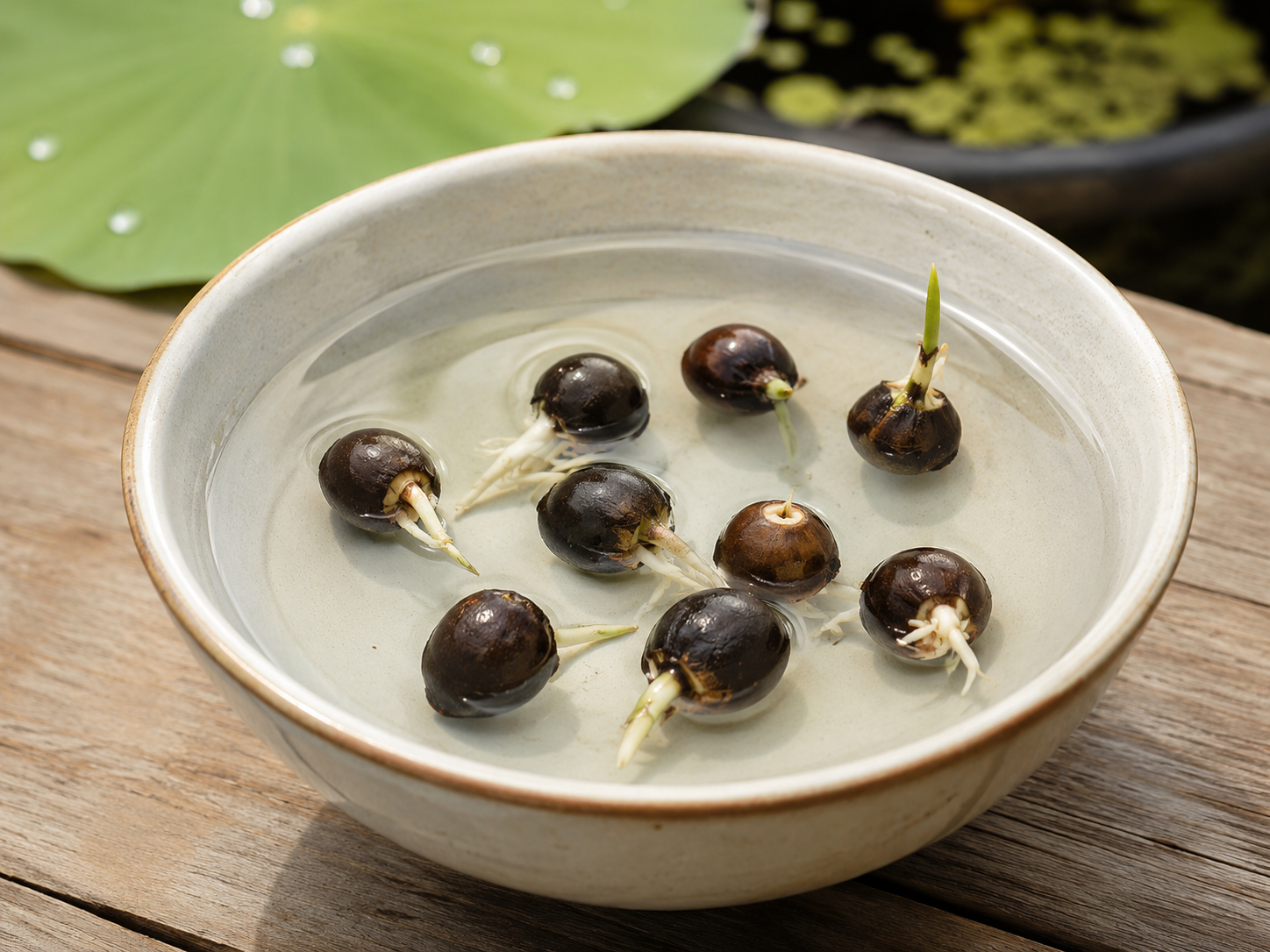 Bowl lotus seeds are a beautiful and rewarding germination project.
Bowl lotus seeds germinate a little differently from many garden seeds because they are started in water.
Here is a simple beginner-friendly method:
Step 1: Gently Scarify the Seed
Bowl lotus seeds have a hard shell. Carefully file or sand a small area of the seed coat until you see a lighter inner layer. Do not damage the embryo inside.
Step 2: Soak in Clean Water
Place the scarified seeds in clean warm water. Keep them in a bright, warm indoor spot, but avoid harsh direct sun that may overheat the water.
Step 3: Change the Water Daily
Change the water every day to keep it fresh and clean. This helps reduce odor and supports healthy sprouting.
Step 4: Watch for Sprouts
With the right preparation and warmth, bowl lotus seeds can begin to sprout fairly quickly. Watching the first shoot appear is part of the joy.
Step 5: Move to a Suitable Container
Once the seedling develops, move it carefully into a proper bowl, container, or small water garden setup with suitable growing medium.
You can explore Plantjoyfarm bowl lotus seeds if you want a unique and beautiful germination project for your home.
Simple Tips to Improve Germination Success
- Start with fresh, high-quality seeds.
- Read the planting instructions before sowing.
- Use clean containers and light growing mix for indoor sowing.
- Plant seeds at the right depth.
- Keep moisture steady but avoid soggy soil.
- Give warm-season seeds enough warmth.
- Move seedlings into bright light after they sprout.
- Be patient with slower seeds.
- Try easy seeds first to build confidence.
Germination is a learning process. Even if some seeds do not sprout, you are still learning what each plant needs.
Should You Germinate Seeds Indoors or Outdoors?
Both methods can work well. The best choice depends on the seed and your growing space.
Indoor germination gives you more control over moisture, temperature, and light. It is helpful for tomatoes, peppers, herbs, flowers, and plants that need a head start.
Outdoor germination through direct sowing is simple and natural. It is great for root vegetables, beans, peas, cucumbers, squash, wildflowers, and many easy flowers.
If you are unsure, start with a few seeds indoors and a few seeds outdoors. Gardening becomes easier when you experiment and observe.
You can also read our related guides on indoor seed starting and direct sowing to choose the best method for your seeds.
Frequently Asked Questions
What is seed germination?
Seed germination is the process of a seed waking up and beginning to grow into a new plant.
What do seeds need to germinate?
Most seeds need moisture, warmth, oxygen, and the right light or darkness conditions.
Why are my seeds not germinating?
Common reasons include dry soil, soggy soil, cold temperatures, planting too deep, old seeds, or seeds that need special treatment.
How long do seeds take to germinate?
Some seeds sprout in a few days, while others may take one to three weeks or longer depending on the variety and growing conditions.
Are bowl lotus seeds easy to germinate?
Bowl lotus seeds can be a rewarding germination project when prepared correctly. They usually need scarification and soaking in clean warm water before sprouting.
What are good seeds for beginners?
Radishes, lettuce, basil, microgreens, beans, peas, zinnias, marigolds, sunflowers, and bowl lotus seeds are good options for beginner seed-starting projects.
Start Germinating Seeds with Confidence
Germination is the beginning of every growing journey.
You do not need to be perfect. Start with fresh seeds, keep moisture steady, give the right warmth, and watch closely. Every sprout is a small success.
Whether you are growing vegetables, herbs, flowers, microgreens, or bowl lotus, the joy begins when the first seed wakes up.
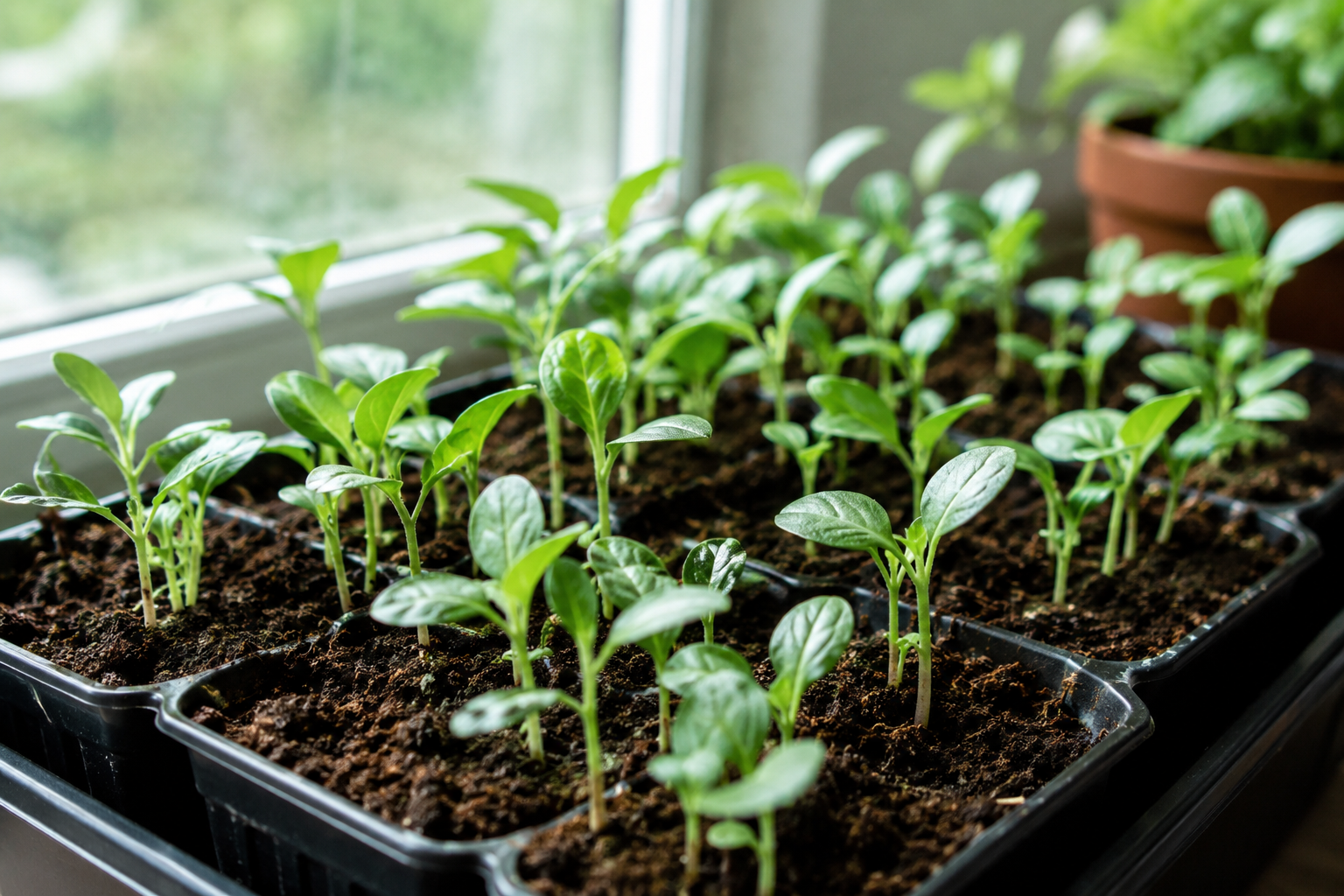
.png?w=1536&h=1024) The first sprout is a simple reminder that growth is possible.
The first sprout is a simple reminder that growth is possible.Ready to Start Growing?
Explore Plantjoyfarm’s vegetable seeds, flower seeds, herb seeds, microgreens seeds, and bowl lotus seeds for your next seed-starting project.
Shop All Seeds